
Matcha Tea – The Tradition of Japanese Green Tea, From Field to Cup
Matcha tea is a unique Japanese green tea made from carefully cultivated tencha tea leaves. Unlike regular green tea, matcha is prepared from a powder, so the entire tea leaf is consumed. This is what gives this tea its distinctive flavor, color, and texture.
Its vibrant green color, smooth, creamy texture, and umami flavor are the qualities that have made Japanese matcha tea one of the most highly regarded teas in the world.
However, before matcha ends up in a cup, it travels a long journey, carefully tended by the hands of meticulous Japanese tea farmers.
How is matcha tea made?
The production of matcha begins even before the harvest. About a few weeks before the first picking, the tea bushes are covered with special materials that reduce the amount of direct sunlight.
This process is called shading (Japanese: ōishita saibai).
Due to the reduced exposure to sunlight, the levels of chlorophyll and L-theanine in the tea leaves increase. Chlorophyll gives matcha its rich green color, while L-theanine contributes to its sweet, mellow umami flavor.
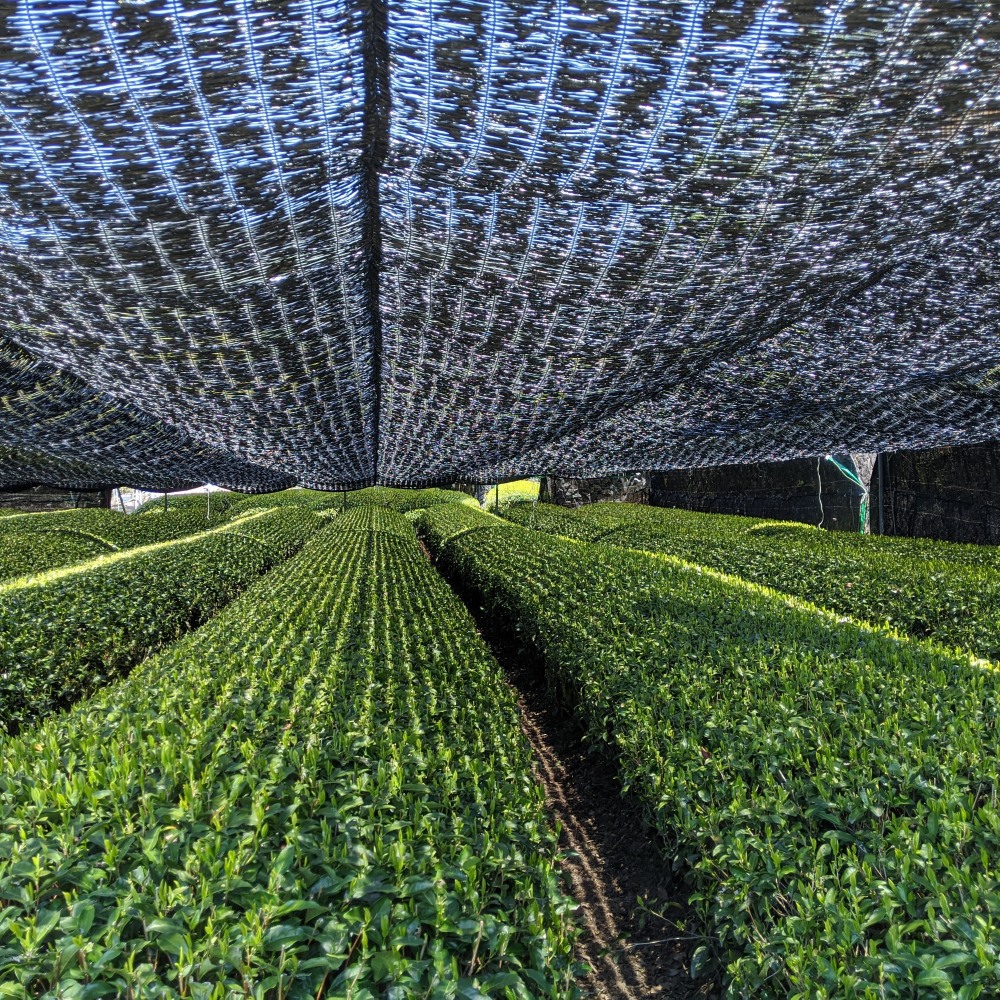
Covering the crops requires a lot of manual labor and experience—the farmer must monitor the plants, assess their condition, and choose the most appropriate time.
Matcha tea and tencha?
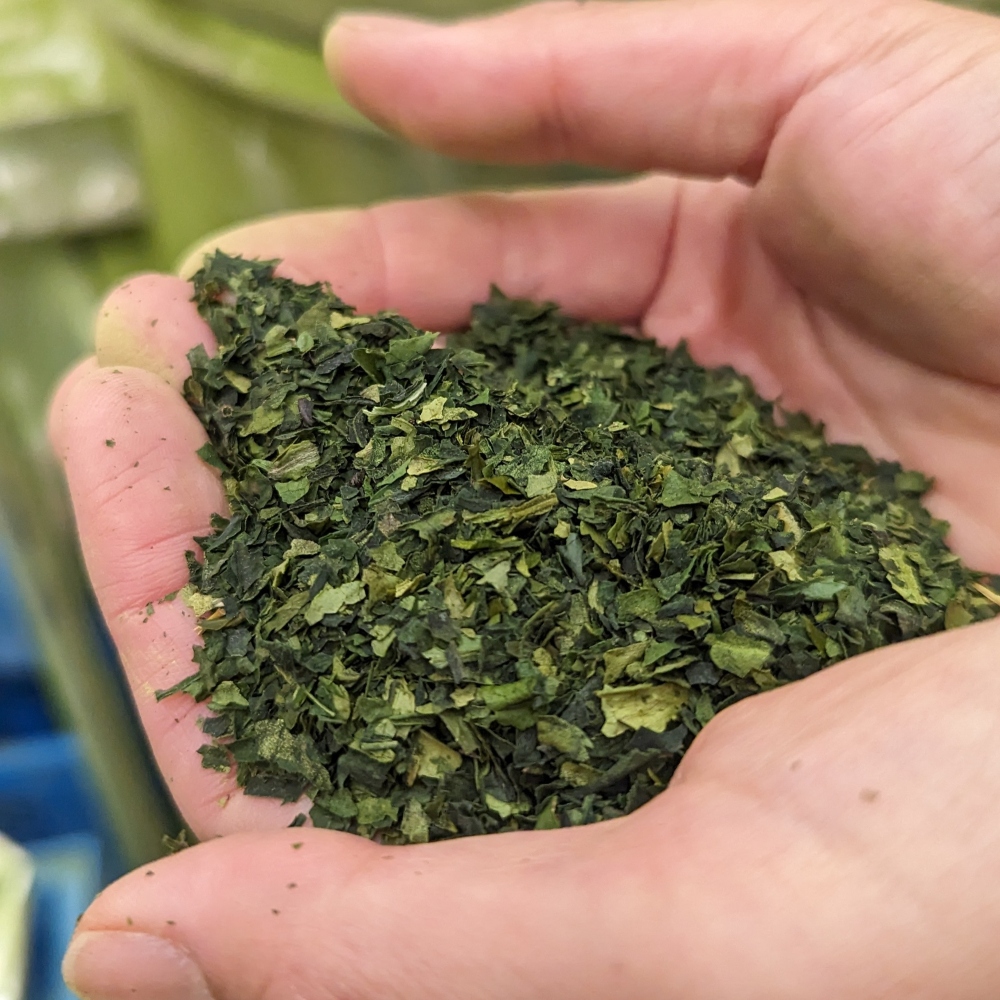
After the harvest, the tea leaves are sent to the factory, where they are processed into tencha —the raw material for matcha tea.
The production process for tencha is similar to that of other Japanese green teas: the leaves are steamed, dried, and sorted. However, there is one important difference—tencha leaves are not rolled.
It is from these flat, thin leaves that matcha is later produced.
Why is high-quality matcha tea so expensive?
One of the most important stages in matcha production is grinding
Slow grinding helps preserve the tea’s flavor, aroma, and color. If the grinding process were faster, the heat generated could compromise the tea’s quality.
Therefore, high-quality ceremonial matcha requires not only high-quality raw materials, but also a great deal of time, experience, and meticulous work.
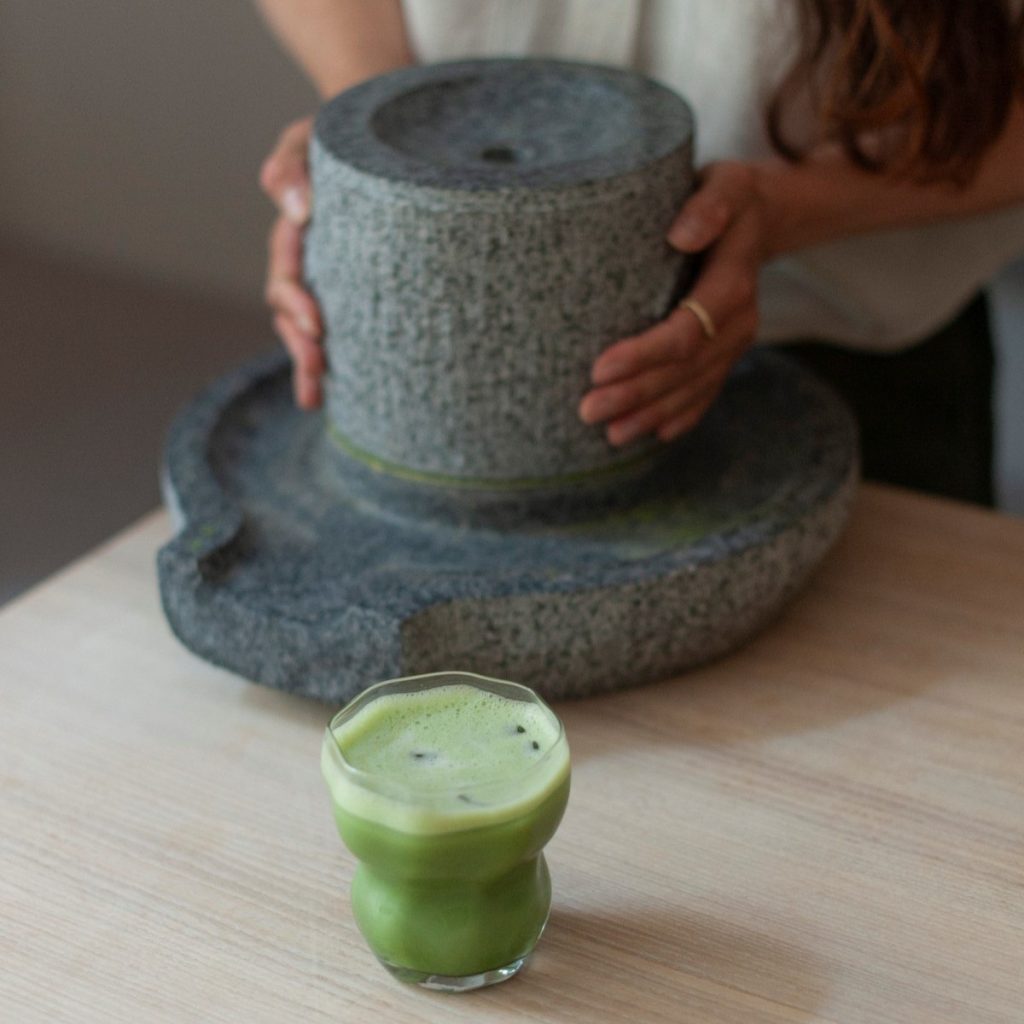
Traditional ceremonial matcha is ground using stone mills. It is a very slow process: a single mill can grind only about 30–40 grams of tea per hour.
*The photo shows a smaller version of a traditional stone grinder, which can be used to grind matcha tea by hand.
How to choose quality matcha tea?
When choosing matcha, it’s important to pay attention not only to the name, but also to its origin and production method.
High-quality Japanese matcha is typically characterized by:
- a rich, bright green color;
- a soft, silky texture;
- with a refreshing, sweet aroma;
- a balanced umami flavor without any strong bitterness.
It’s important to know that not all green tea powder is matcha. The label “green tea powder” on the package doesn’t necessarily mean traditional matcha—it could simply be ground green tea.
Authentic matcha is made from specially grown and processed tencha leaves.
At Yugen Tea, you’ll find a wide selection of premium matcha tea!
How do you make matcha tea at home?
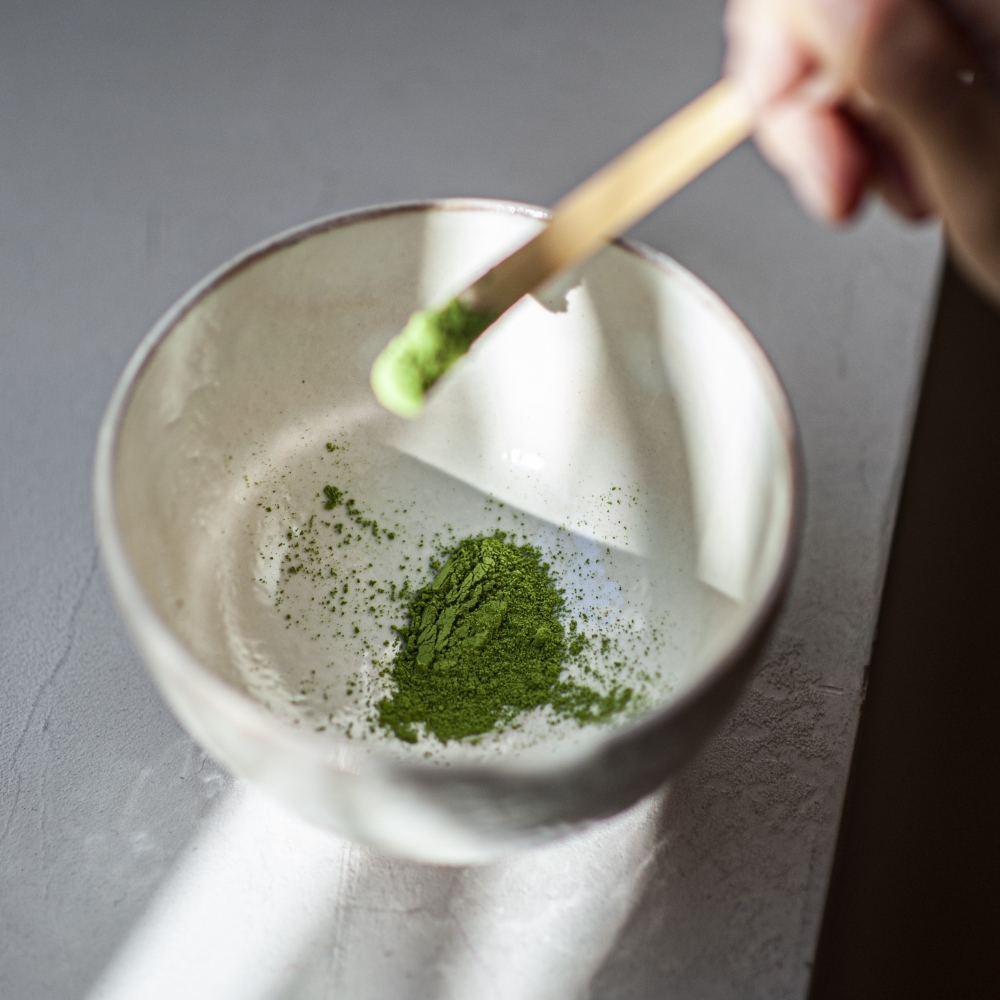
For a traditional cup of matcha, you’ll need: matcha tea, a matchawan bowl, a chasen bamboo whisk, a strainer, and achashaku spoon.
5 steps for preparing matcha:
- Prepare the matcha whisk for use—a few minutes before making the tea, soak the whisk’s bristles in warm water.
- Sift 2 g of matcha powder into a cup of matcha tea—this will make the texture of the tea smoother and more even.
- Add about 10 ml of water at 70–80 °C. Stir the thick paste until there are no lumps left in the tea.
- Add the remaining water—about 70 ml—at a temperature of 70–80 °C. The total volume for one serving is about 80 ml.
- Whisk the chasen with quick, sweeping motions, forming an “M” shape, until a light foam forms on the surface.
Enjoy your tea!