Information
Taste: Light, bitter and naturally sweet
Aroma: Forest with a sweet honey note
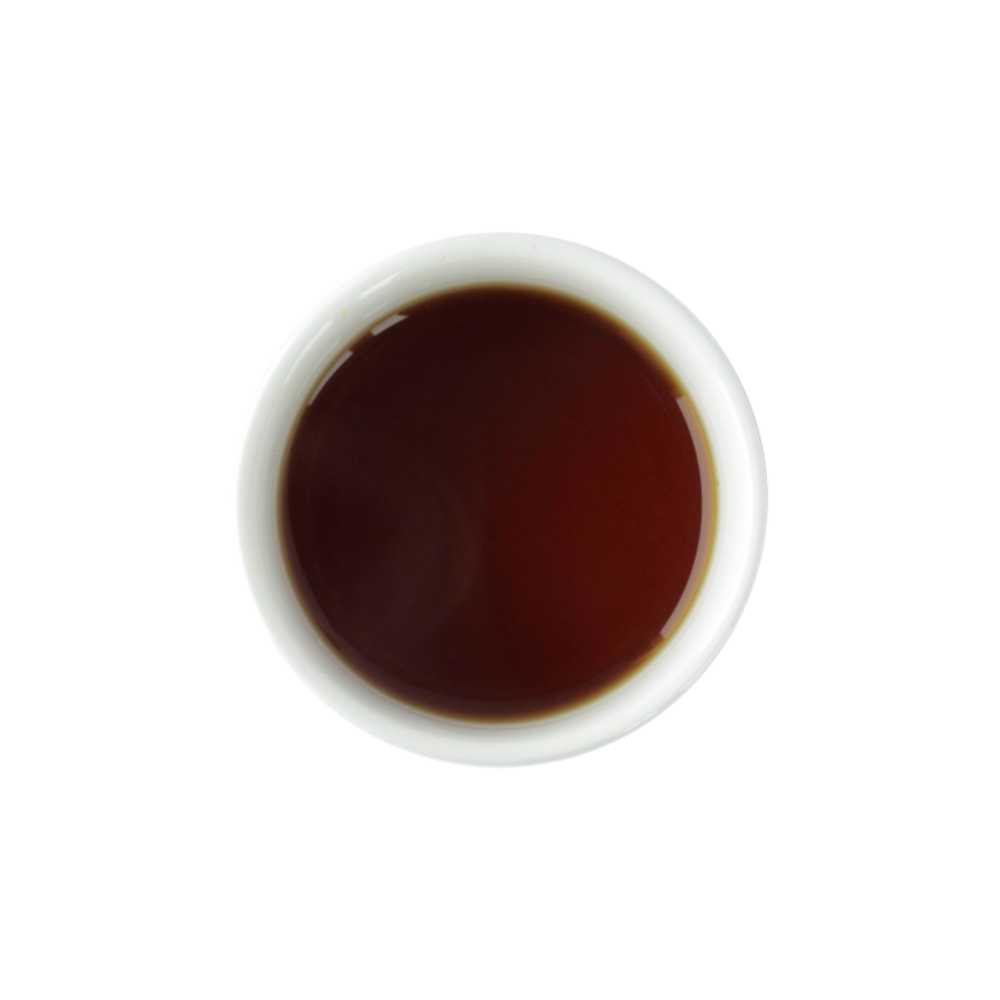
Tea colour: Dark Amber
Ingredients: Black tea
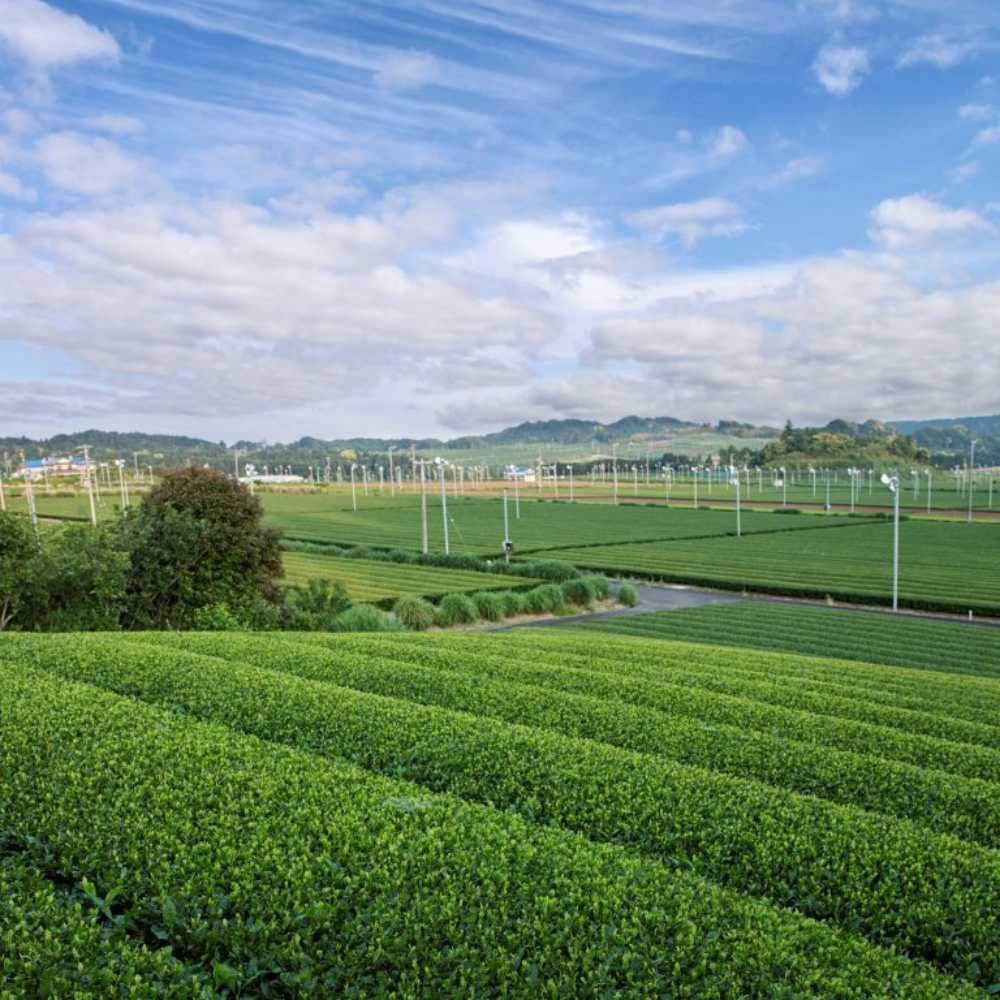
Place of origin: Shimada, Japan
* Product appearance may slightly differ from the product photo.




€19.80
Wakoucha is a Japanese black tea. Although Japan is the land of green tea, black tea also has its own history in this country. In 19th century it was a popular export tea that is enjoying a second revival today. Only the Chinese tea tree (Camellia sinensis var sinensis ) is grown in Japan, which is distinct from the species originating in India (Camellia sinensis var assamica). For this reason, the taste of wakoucha is different from the more common Indian black tea. Wakoucha has a mild, bitterless, naturally sweet taste and is therefore drunk without sweeteners or milk.
Availability: In stock
Taste: Light, bitter and naturally sweet
Aroma: Forest with a sweet honey note
Tea colour: Dark Amber
Ingredients: Black tea
Place of origin: Shimada, Japan
* Product appearance may slightly differ from the product photo.
The taste of tea in our cup is determined by the following factors:
Preparation method:
Various tea making techniques and methods are available according to individual needs. Recommended preparation method of Yugen Tea:
How to choose the right tea making utensils .
Tea quality: The quality of the tea leaves is determined not only by the final result of the artisan, but also by the storage conditions of the suppliers and yourself. To extend the expiration date, an unopened green tea package can be stored in a refrigerator. After opening the package, it is recommended to store the tea in a sun-proof package or airtight container in a cool place, as far away from moisture and odors as possible.
Water quality: Water makes up 99% of the contents of our cup of tea, so its quality is just as important as the tea itself. The most suitable water for the tea is soft and as close as possible to neutral pH, with a low mineral content (50-100 mg/l). Usually, tap water in Lithuania is heavy, therefore, for best possible results, you should choose filtered or spring water. During boiling, water loses oxygen, thus it is recommended to never boil the same water more than once.
Matsumoto-san grew up on a tea farm, waving daily at Japan’s highest mountain, Fujisan. More than 15 years ago, with great responsibility and inner contradiction, Matsumoto-san took over the family farm. Today, the farmer enjoys spending his days in the tea fields with his children and family.
Matsumoto-san’s goal is to be an innovator in the cultivation and production of tea. He achieved this goal when he was recognised as an international pioneer of Japanese smoked tea. In addition, the farmer’s family practises a very old way of growing tea, chagusaba, which is considered an important part of UNESCO’s agro-cultural heritage. “Chagusaba is a method of tea bush cultivation in which a type of tall grass is hand-cut, dried, shredded and laid at the edges of a tea field. It provides natural fertilisers for the soil and is valued for its contribution to preserving the region’s biodiversity.

Edvardas –
Skani ir švelni juodoji arbata.